Artist · Explorer · Independent witness
Nicholas Roerich
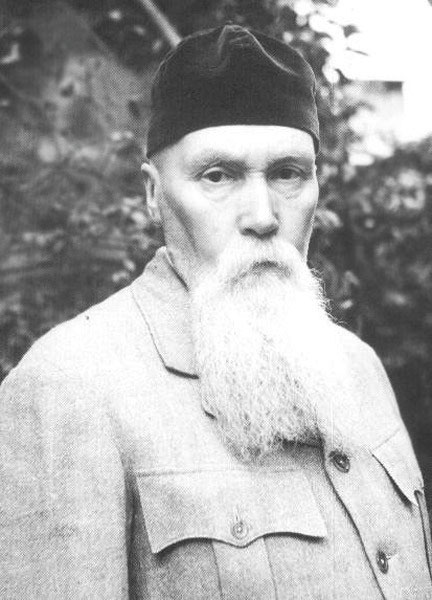
Three decades after Notovitch, Roerich traveled through Central Asia and recorded that traditions of Issa were still circulating across the Himalayan region. His journals give the investigation a separate expedition and a later point of testimony.
The later trail
What Roerich adds
Roerich did not merely repeat a book from Europe. His significance is that he recorded Issa traditions while traveling through the region associated with them.
- A separate expedition
Roerich’s Central Asian journey took place in the 1920s, long after Notovitch’s 1894 publication and under very different circumstances.
- Regional oral tradition
His travel writing reports stories of Issa remembered in places along the Himalayan route, expanding the inquiry beyond a single monastery or manuscript claim.
- A public contemporary record
Roerich wrote about the traditions in his books and discussed them publicly. Period press coverage shows that the subject was part of his documented public work.
Images from the record
Explorer and artist
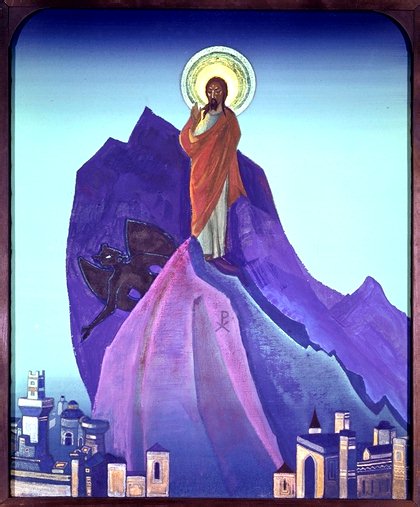
Roerich interpreted the Himalayas through both expedition writing and painting. These images place the Issa reports within that larger body of work.
Reading path
Sources
Roerich’s own travel book is the starting point. The thesis supplies broader historical and biographical context.
- Altai-HimalayaRoerich’s travel record from the Central Asian expedition; the primary source in this collection.
- Nicholas Roerich — Victoria Klimentieva thesis (2009)Academic study retained for historical, artistic, and biographical context.
The PDFs remain available as source downloads. Checked, accessible HTML reading editions will become the primary links as the conversion project proceeds.